

Save Your Vision Month: 7 Retina Red Flags You Should Not Ignore
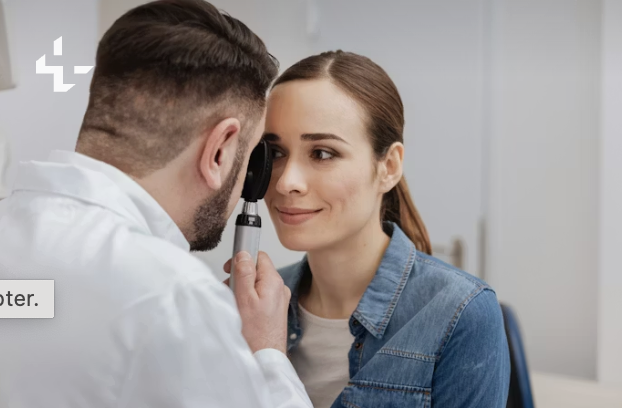
March is Save Your Vision Month, a reminder that when it comes to eye health delaying care can sometimes mean the difference between preserving vision and losing it. Most people assume that changes in vision are just part of getting older, the result of being tired, or something that will clear up on its own. But certain symptoms can point to serious retinal conditions that need immediate attention.
The retina is the light-sensitive tissue lining the back of the eye. It plays a huge role in turning light into signals the brain can interpret as images. Because the retina is so important for clear vision, any disruption, whether from a tear, detachment, bleeding, swelling, or disease, can rapidly become serious.
While not every visual change signals an emergency, here are some clear warning signs that it’s time to call an eye specialist right away.
- Sudden flashes of light
Occasional visual disturbances can happen for harmless reasons, but sudden flashes of light, especially in one eye, deserve attention. These flashes may look like streaks, sparks, or lightning in your peripheral vision. They can occur when the gel-like vitreous inside the eye pulls on the retina.
In some cases, this pulling can create a retinal tear. When untreated a tear can progress to a retinal detachment, which is a vision-threatening emergency. If flashes appear suddenly, increase in frequency, or are accompanied by other symptoms like floaters or a shadow in your vision, it’s important not to dismiss them.
- A sudden increase in floaters
Floaters are tiny spots, specks, or cobweb-like shapes that drift across your field of vision. Many people have a few floaters and become used to them over time. But a sudden shower of new floaters is different.
An increase in floaters can signal bleeding inside the eye or a retinal tear. This is especially concerning if the floaters appear alongside flashing lights or blurred vision. While we know it’s tempting to wait a day or two to see if it will go away, this is one symptom that should be evaluated urgently.
- A dark curtain or shadow in your vision
One of the most urgent retinal red flags is the sensation that a dark curtain, veil, or shadow is moving across your field of vision. Some people describe it as though part of their vision is being blocked from the side, top, or bottom.
This can be a sign of retinal detachment, which happens when the retina pulls away from the back of the eye. A detached retina cannot function properly, and the longer it remains untreated, the greater the risk of permanent vision loss. This is not a symptom to monitor at home. It requires immediate medical attention.
- Sudden blurry or distorted central vision
If straight lines suddenly begin to look wavy, faces appear distorted, or the center of your vision becomes blurry, the retina may be involved. These changes can be associated with conditions such as macular degeneration, diabetic macular edema, or other diseases affecting the macula, which is the part of the retina responsible for sharp central vision.
Because central vision is essential for reading, driving, and recognizing faces, changes in this area should be taken seriously. Even if the symptom seems mild at first, early evaluation and treatment can help preserve and improve vision and support better outcomes.
- Vision loss in one eye
Any sudden loss of vision in one eye should be treated as urgent. This may look like a dimming of vision, a missing area in your sight, or a quick decline in how clearly you can see. Painless vision loss can be especially misleading because people may assume that if it does not hurt, it’s not serious. Retinal conditions such as a detachment, blood vessel blockage, or significant bleeding can all cause sudden visual loss. Do not self-diagnose or assume it will pass.
- Bleeding or swelling related to diabetes
People with diabetes are at increased risk for diabetic retinopathy, a condition that affects the blood vessels in the retina. One of the challenges with diabetic eye disease is that it can initially progress without noticeable symptoms. But when symptoms do appear, including blurred vision, floaters, dark spots, or patchy vision, they should not be ignored.
These signs can indicate bleeding, fluid leakage, or swelling in the retina. Any new symptoms between appointments should prompt a call to a retina specialist.
- Eye symptoms after trauma
An impact to the eye or head can sometimes damage the retina, even if the injury initially seems minor. After trauma, symptoms such as flashes, floaters, blurred vision, or partial vision loss can indicate a retinal tear, detachment, or internal bleeding. Any new retinal symptoms after trauma should be evaluated quickly to rule out serious complications.
When in doubt, get it checked
One of the biggest mistakes patients make is assuming they should “wait and see” whether symptoms improve. We all know life is busy, and many eye symptoms can seem vague or temporary at first. But retinal disease rarely leads to pain, and waiting too long can limit treatment options. When it comes to your retina, it is always better to be cautious than late.
Receive Eye Care at Austin Retina Associates
At Austin Retina Associates, patients have access to a strong team of retina experts in Austin with specialties diagnosing and treating a wide range of retinal conditions, from common age-related diseases to urgent, vision-threatening emergencies. With decades of experience, a high volume of retinal patients treated across Central Texas, and access to urgent and same-day evaluations when medically necessary, ARA is equipped to provide timely specialty care when symptoms cannot wait.
Our retina specialists understand that fast action can make a meaningful difference in helping preserve and improve vision. If you are experiencing sudden flashes, a spike in floaters, a shadow in your vision, or any other concerning retinal symptom, do not wait to seek care.
Call Austin Retina Associates at 800-252-8259 to discuss urgent symptoms or request an appointment online at one of our retina treatment centers in Austin and throughout Central Texas.
For the latest Austin Retina news, visit our blog or follow us on Facebook and Instagram.
Disclaimer: This information is for educational purposes only and is not a substitute for medical advice, diagnosis, or treatment.